Your Family Will Be Grateful For Getting This Coffee Filter Machine


The Importance of a Coffee Filter Machine
For the best results, you should use filtered water that's fresh and clean. This allows the complex flavors of coffee beans shine through.
You will also save money in the long term by using a filtering machine, as you only have to purchase coffee grounds and paper filters. You could also save money on cleaning and disposal.
Filtered Water
Many espresso and coffee machines have their filtering system. Some machines have reusable filters like the Brita filter, which is a favorite amongst many. Clean water is the most crucial ingredient to make the perfect cup. Filtered water isn't just healthy for you but also enhances the flavor and consistency of your beverage.
The filtration process involves forcing water through a filter comprised of tightly woven paper, or mesh that is unbleached or bleached. Unbleached filters don't use chemicals, but are bleached with chlorine or oxygen to create their white color. Some people prefer the flavor of a bleached filter, however, others find the coffee to be more harsh or less flavorful.
There are also permanent coffee filter systems that are available, such as perforated metal sheets and fine plastic mesh porous ceramics and glazed sieves that hold the grounds while allowing the water to flow through. They may need to be rinsed or boiled frequently to ensure they function however they are less expensive and less wasteful.
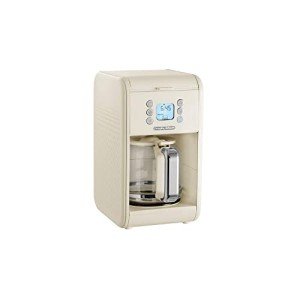
Filtered water also works well with pour-over and French press methods, as it removes a few of the coffee oils that could cause a sour taste in the final drink. These oils are an essential component of the flavor and aroma of the coffee, so getting rid of them can make a significant difference. In addition to this filtering makes sure that all the ground coffee is brewed properly and does not leave any granules.
To get the best outcomes, it is crucial to use a filter that fits your brewing method. For instance the Aeropress utilizes a specific size of filter made of paper that is designed to reduce the amount of coffee oil and sludge in the finished product. It is essential to wash your filter with soapy, hot water before every use. This will remove any flavor of paper that might remain and stop it from tainting coffee. Finally, some people are finding that conical filters make their brew more robust and consistent than a traditional flat filter, because it permits the water to flow uniformly through the grounds due to gravity.
Temperature and pressure
The temperature of the water in a coffee filter machine is essential. It is crucial to make sure that the proportion of coffee to water is right. The ideal temperature for brewing is between 88degC and 92degC. Some machines come with built-in thermometers, which let you to monitor the temperature. Other devices like gooseneck kettles and laser thermometers are also able to aid in achieving the perfect temperature for brewing.
The type of filter paper used in the coffee filter machine is an additional important aspect. Paper filters are the most commonly used but reused filter sieves are becoming more popular. These filters are made of materials such as metals woven into a weave, such as steel, aluminium, copper, plastics (including Makrolon/Exolon and Tritan) porous ceramics, or porcelain, and can be fitted into filter holders made for paper or cloth filters.
These filters are available in various sizes and shapes. Some filters have an distinct "papery" taste which can be eliminated by washing them with hot water prior use. The permeability can also be a significant factor in the final taste of the coffee. This is determined by the size of the filter and shape, the type of material of which it is constructed, and the method of production.
Regularly cleaning your filter coffee maker is essential, especially when you live in a region with hard water. This will ensure that the machine is operating efficiently and will prevent mineral deposits. Emptying the used grounds from the filter basket and then rinsing it is a part of your regular cleaning routine.
Multiple studies have investigated the effects of different brew temperatures on total dissolved (TDS) and extraction quality. The results suggest that a high TDS and poor extractive quality can result in undesirable sensory characteristics such as bitterness, astringency, and sourness. However, the data from these studies do not compare the taste of coffee served at a temperature that is controlled for serving and therefore are unable to determine if the sourness observed is due to an increase in TDS or a lower quality extract. The astringency or bitterness that was found in these studies could be due to different factors, like the grind size of the coffee or the roasting process.
Extraction
During the brewing process water extracts flavor compounds and oils from the coffee grounds that create the desired flavor in the cup of coffee brewed. This is a highly variable extraction process that is affected by many factors including the temperature of the water as well as the time for brewing.
The coffee filter should be soaked prior to brewing to optimize the flavor. It increases the flavor of the coffee by promoting a uniform extraction of the grounds, and lessens bitterness by limiting over-extraction.
Pre-wetting the coffee filter enhances the experience of brewing coffee by removing any paper taste and preheats the brewing vessel, making sure that it is at the right temperature for brewing. This ensures the coffee is evenly distributed, resulting in a more balanced, smoother cup of coffee.
Coffee filters come in various shapes to fit various brewing equipment and methods. Cone filters, baskets filters and flat bottom filters are just a few of the most commonly used. The shape of the coffee filter has a direct influence on extraction. The selection of the coffee grounds as well as the brewing temperature, also influences the flavor.
It is crucial to thoroughly wet the filter with water prior to beginning the brewing process, whether the coffee is brewed with a drip, immersion or pour-over coffee maker. Wetting the filter before the coffee is brewed allows carbon dioxide to be released and eliminates a "paper taste" that could negatively affect the flavor of the coffee.
The filter will also be agitated and the grounds of coffee are evenly distributed throughout the filter system. This will help to reduce over-extraction, and ensure a consistent brew for each batch.
In addition, pre-wetting the filter can help stabilize the water flow and ensure that the brewing surface is completely saturated. This reduces the chance of over-extraction, which may cause bitterness and astringent flavors in the final coffee.
The chemistry behind optimum brewing temperatures is complex and varies. For filter coffee machines the recommended temperature range is 90degC and 96degC (195degF to 205degF). This range is optimal for most brewing methods and avoids regions with significant scaling or corrosion in the coffee maker's internal components.
Cleaning
A regular cleaning schedule is an essential aspect of maintaining a good coffee filter machine. This simple task prevents the buildup and hard water which can negatively impact the flavor of the brew. This simple task will save you money in the long run by cutting down on the frequency of filter replacements.
The first step in cleaning your cloth, paper or metal filters is to get rid of any remaining dirt. You can then wash the filter on its own or in a sink filled with warm water. For a deeper clean, you can also soak your filter in a solution of white vinegar 1:2 and warm water for a few hours to break down oil and residues. A small amount of baking soda could also be used as a mild abrasive in order to clean away the stubborn stains and residue. Clean and dry your filter thoroughly before applying it to the next time.
Whether Coffeee have a drip or a pour-over coffee maker, regular deep cleaning is important to ensuring the freshest cup of coffee every time. This will keep your coffee machine in good order and reduce the chances of mold or bacteria growing.
Review the user manual of your machine for recommended cleaning techniques. In most instances, you can clean the water reservoir with hot soapy water and remove any stains. Cafiza is a specific cleaning product that can be used to remove any leftover odors or buildup from your coffee maker.
This cleaning solution can also be used to clean the carafe of your machine or other parts that are removable, such as the lid or plunger. To get the best results, rinse and dry your machine to get rid of any vinegar scents or tastes.
A well-maintained filter coffee machine is an excellent investment for any household. It will give you a more flavorful cups of coffee. Your coffee filter maker can be part of your morning routine forever if you take care of it. Don't be hesitant to take the plunge and invest in a premium coffee maker today!